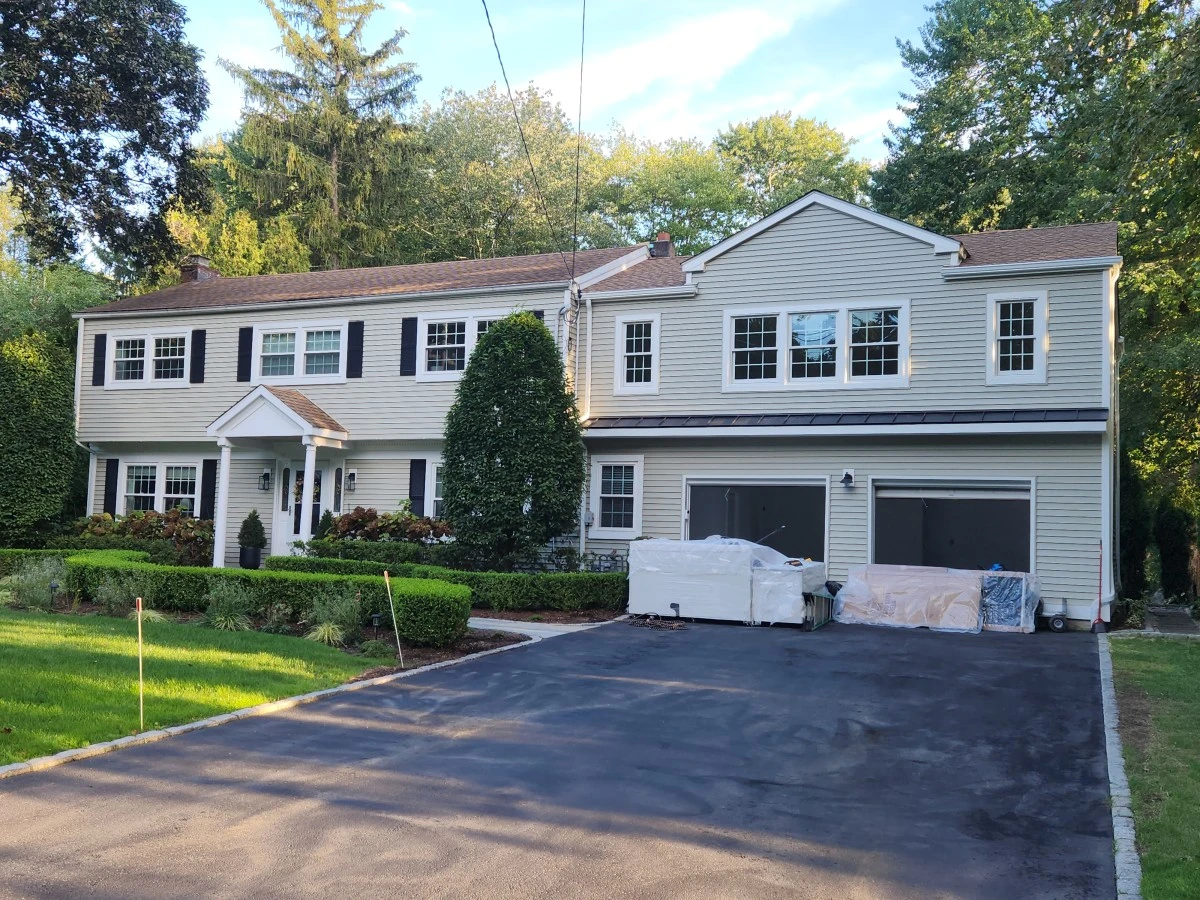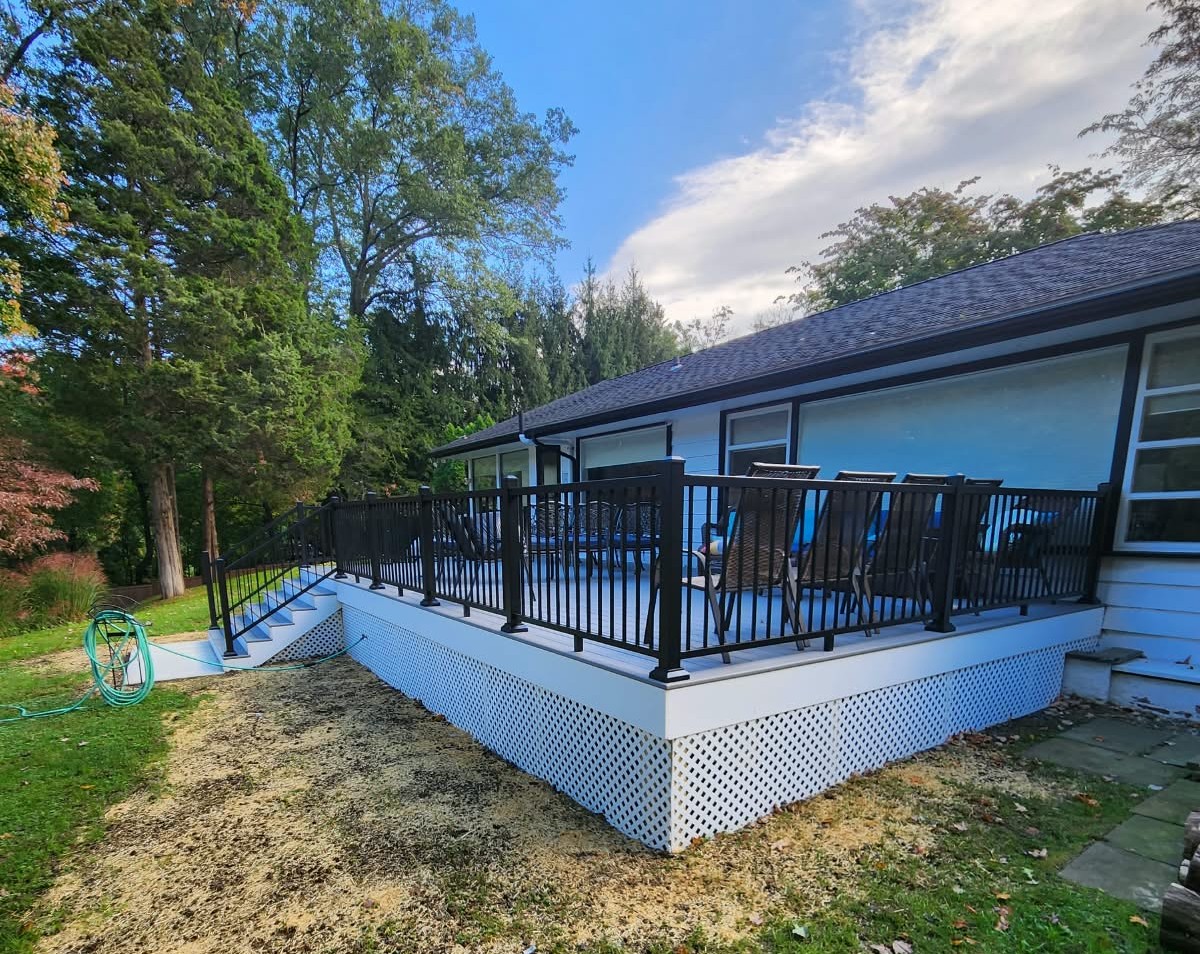
Your roof is one of the most important parts of your home. It helps protect the structure from rain, snow, wind, and changing temperatures. However, knowing when a roof needs repairs, how much a replacement might cost, or which roofing material to choose isn’t always straightforward.
Homeowners often have questions about roof maintenance, leaks, shingles, installation, warranties, and permits before starting a roofing project.
This roofing FAQ answers 30 common questions to help homeowners make informed decisions about roof repairs, replacements, and long-term maintenance.
Whether you own a home in Stamford, Greenwich, Darien, Norwalk, or another Fairfield County community, understanding the basics of roofing can help you plan your next project with greater confidence.
For information about our work, visit Area Renovation Inc.’s Roofing Services page.
Roof Repair and Replacement Questions
1. How do I know if my roof needs repair or replacement?
Signs that a roof may need attention include missing or damaged shingles, recurring leaks, deteriorated flashing, visible sagging, and water stains on ceilings or walls.
Whether repair or replacement is appropriate depends on the roof’s age, materials, overall condition, and extent of the damage.
A localized problem may be repairable, while widespread deterioration may justify a complete replacement.
A professional roof inspection can help identify the underlying issue before a decision is made.
2. How long does a residential roof typically last?
A roof’s lifespan depends on its materials, installation quality, weather exposure, ventilation, and maintenance.
Asphalt shingle roofs commonly last approximately 20–30 years, although actual service life can be shorter or longer.
Metal, slate, and some tile roofing systems may last considerably longer under suitable conditions.
Manufacturer warranties and expected service life are not the same thing.
3. Should I repair my roof or replace it entirely?
Roof repairs may be appropriate when damage is limited and the surrounding roofing system remains in good condition.
Replacement may be more practical when the roof has extensive deterioration, recurring leaks, or multiple areas requiring substantial work.
Consider the roof’s age, estimated repair costs, condition of the underlying structure, and expected remaining service life.
4. What are the most common signs of roof damage?
Common warning signs include:
- Missing, cracked, curled, or loose shingles
- Water stains on ceilings or attic surfaces
- Damaged flashing around chimneys and vents
- Excessive shingle granules collecting in gutters
- Sagging roof sections
- Visible moisture or deterioration in roof decking
- Repeated leaks after heavy rain
Not every sign means the entire roof must be replaced, but each deserves investigation.
5. Can a leaking roof be repaired without replacing it?
Yes. Some roof leaks can be repaired by addressing damaged shingles, flashing, roof penetrations, or other localized problems.
However, water may travel beneath roofing materials before appearing inside the home, making the source difficult to identify.
If a leak continues after repairs, a more thorough inspection may be necessary.
6. When should I replace a metal roof?
Metal roofs should be evaluated when there are recurring leaks, extensive corrosion, failed seams or fasteners, damaged panels, or deterioration that compromises the roofing system.
The need for replacement depends on the specific metal roofing product, its condition, and whether repairs remain practical.
Age alone does not automatically determine when a metal roof must be replaced.
7. Can I replace only part of my roof?
Partial roof replacement may be possible when damage is confined to a specific section.
However, the contractor should assess how the new roofing will connect with the existing system and whether the remaining roof is in suitable condition.
Material availability, roof geometry, and differences in appearance may also influence the decision.
8. What should I do if my roof is damaged during a storm?
Start by keeping people away from damaged or unstable areas.
If water is entering the home, protect belongings only when it is safe to do so.
Document visible damage from a safe location and contact a qualified roofing professional.
If you plan to file an insurance claim, review your policy and contact your insurer.
Avoid climbing onto a damaged roof.
Roofing Costs and Estimates
9. How much does a new roof cost in Connecticut?
Roof replacement costs vary considerably depending on the property and roofing system.
Important factors include roof size, slope, material selection, removal of existing roofing, decking repairs, accessibility, flashing, ventilation, and labor.
A reliable estimate should be based on the actual roof rather than a generic statewide average.
Homeowners should request a detailed written proposal before committing to the project.
10. What factors affect roof replacement costs?
The main factors include:
- Total roof area
- Roof pitch and complexity
- Asphalt shingles, metal, or other roofing materials
- Existing roofing removal
- Condition of the roof decking
- Chimneys, skylights, valleys, and roof penetrations
- Underlayment and flashing requirements
- Site access and disposal
- Permit requirements
Two homes with similar floor areas can have very different roofing costs.
11. Is roof repair cheaper than roof replacement?
A small, localized repair generally costs less upfront than replacing an entire roof.
However, repeated repairs on an extensively deteriorated roof can become expensive over time.
The most economical choice depends on the scope of the damage and the roof’s remaining service life.
12. What should a roofing estimate include?
A roofing estimate should clearly identify the proposed work and materials.
Depending on the project, it may include removal of existing materials, roof decking repairs, underlayment, roofing products, flashing, ventilation, disposal, permits, and cleanup.
It should also explain payment terms, anticipated scheduling, warranty information, and how unexpected conditions will be handled.
13. Should I get multiple roofing estimates?
Getting more than one estimate can help you compare materials, installation methods, scope, and pricing.
When comparing proposals, make sure they cover substantially similar work.
A lower estimate may exclude items that another contractor includes.
The lowest price is not necessarily the best long-term value.
Roofing Materials and Installation
14. What is the best roofing material for Connecticut homes?
There is no single best material for every Connecticut home.
Asphalt shingles are widely used because they offer a range of styles and price points.
Metal roofing may appeal to homeowners looking for certain durability and maintenance characteristics.
Other materials may be appropriate depending on the building’s design, structure, budget, and local requirements.
A roofing contractor can help compare suitable systems for your property.
15. Are architectural shingles better than three-tab shingles?
Architectural asphalt shingles generally have a thicker, dimensional construction and may offer different wind ratings and warranty options than traditional three-tab shingles.
However, performance depends on the specific product and correct installation.
Compare manufacturer specifications rather than assuming all architectural shingles perform identically.
16. Is metal roofing a good option in Connecticut?
Metal roofing can be suitable for Connecticut homes when the system is properly selected and installed.
Potential benefits include long service life, a variety of finishes, and performance characteristics designed for challenging weather.
Costs, roof design, noise concerns, thermal movement, and installation requirements should be considered.
17. Can new shingles be installed over an existing roof?
Installing new shingles over an existing roofing layer may be possible in certain circumstances, but it is not always advisable or permitted.
The condition of the existing roof, number of roofing layers, manufacturer instructions, and applicable building requirements must be considered.
Removing the old roofing can also allow better inspection of the underlying decking.
18. How long does roof replacement take?
The construction schedule depends on the roof’s size, complexity, materials, weather, and condition of the existing structure.
Some straightforward residential asphalt shingle projects can be completed within a few working days, while more complicated projects may take longer.
Your contractor should provide an estimated schedule based on your specific roof.
19. Can roofing work be done during winter?
Some roofing work can be performed during colder months, but weather and material requirements may limit installation.
Temperature, snow, ice, wind, and moisture can affect working conditions.
Certain roofing products also have manufacturer-specific installation requirements.
A contractor should determine whether the proposed work can be performed safely and correctly under the expected conditions.
20. What is roof underlayment, and why is it important?
Roof underlayment is installed beneath the primary roofing material as part of the roof’s water-management system.
Its function depends on the product and roofing assembly.
It can provide additional protection against moisture intrusion, but it does not replace correctly installed shingles, flashing, or other roofing components.
21. Why is roof ventilation important?
Roof ventilation can help manage heat and moisture in applicable attic assemblies.
Inadequate ventilation or air leakage may contribute to moisture problems, depending on the building’s design.
However, ventilation requirements vary, and not every roof assembly is designed to be ventilated.
Insulation, air sealing, and ventilation should be evaluated together.
Roof Maintenance and Common Problems
22. How often should I inspect my roof?
Homeowners should periodically look for visible roof damage and arrange professional inspections when warning signs appear.
An inspection may also be appropriate after severe storms, significant leaks, or when planning major exterior work.
The appropriate inspection frequency depends on roof age, materials, condition, and exposure.
23. How can I prevent roof leaks?
Preventive maintenance can help reduce the risk of certain roof problems.
Useful measures include keeping drainage systems clear, addressing damaged shingles or flashing, checking visible signs of moisture, and arranging appropriate inspections.
No maintenance program can guarantee that a roof will never leak.
24. Can clogged gutters damage my roof?
Clogged gutters can contribute to drainage problems and water accumulation near roof edges.
Depending on the property, overflowing water may affect fascia, soffits, exterior walls, and other building components.
Regular gutter maintenance is one part of protecting the home’s exterior.
25. Does moss or algae damage roofing shingles?
Algae often causes dark discoloration on roofing surfaces, while moss can retain moisture and interfere with drainage.
The impact depends on the roofing material and extent of growth.
Avoid aggressive pressure washing or scraping that could damage shingles.
Follow manufacturer recommendations or consult a qualified professional about appropriate cleaning methods.
26. Can poor attic ventilation affect roof performance?
In some roof assemblies, inadequate ventilation and moisture management can contribute to condensation or other problems.
However, ventilation is only one part of the building system.
Air sealing, insulation, indoor humidity, and roof design can also influence performance.
A professional assessment is preferable to adding vents without understanding the underlying issue.
Roofing Permits, Contractors, and Warranties
27. Do I need a permit to replace my roof in Stamford, CT?
Permit requirements depend on the type and scope of roofing work and the rules enforced by the local municipality.
Homeowners in Stamford should confirm requirements with the City of Stamford’s building department before work begins.
Other Fairfield County municipalities may have different administrative requirements.
Ask your contractor to clarify who will obtain any required permits and coordinate inspections.
28. How do I choose a reliable roofing contractor?
Start by looking for relevant roofing experience and examples of completed work.
Before hiring, consider:
- Applicable contractor registrations and credentials
- Insurance coverage
- References and customer feedback
- Clear written estimates
- Materials and installation specifications
- Communication and scheduling
- Warranty terms
A reliable contractor should be willing to explain the proposed work and answer reasonable questions.
29. What is the difference between a roofing material warranty and a workmanship warranty?
A material warranty generally relates to certain product defects or performance conditions defined by the manufacturer.
A workmanship warranty concerns specified aspects of the installation work and is typically provided by the contractor or through a particular warranty program.
Coverage, exclusions, transferability, and duration vary.
Read the actual warranty documents rather than relying only on advertised warranty lengths.
30. Can a new roof lower my energy bills?
A roof replacement may create opportunities to improve insulation, air sealing, ventilation, or other parts of the building envelope.
However, replacing roofing materials alone does not guarantee lower energy bills.
Any energy savings depend on the specific improvements, building conditions, climate, and household energy use.
Ask your contractor which proposed upgrades are intended to improve energy performance and how those benefits are supported.
Roofing Services in Stamford, CT and Fairfield County
Understanding common roofing questions is an important first step, but every home has different construction and maintenance needs.
Area Renovation Inc. provides roofing and exterior renovation services for residential and commercial properties in Stamford, Connecticut, and surrounding communities.
Whether you’re evaluating a roof repair, considering replacement materials, or planning a larger exterior renovation, discussing the project with a qualified contractor can help you understand the available options.
Explore our Roofing Services in Connecticut for additional information.
You can also learn about related Siding Installation and Replacement and Window and Door Installation services.
Have a roofing question about your property?
Contact Area Renovation Inc. at +1 914-839-7569 to discuss your project and request a free estimate.