As families grow and housing needs change, maximizing your property’s potential becomes a top priority. Whether you want to generate rental income, create a private space for aging parents, or simply add a dedicated home office, an accessory dwelling unit (ADU) offers a highly flexible solution. Instead of buying a new property or moving away from a neighborhood you love, you can unlock the hidden value right in your own backyard.
Building a new structure on your property is a major decision. It requires careful planning, budgeting, and a deep understanding of local building codes. At Area Renovation, we want to make this process as smooth as possible for you. We provide top-tier home renovation CT services, helping homeowners design and build beautiful, functional spaces.
In this comprehensive guide, we will explore exactly what an ADU is, the costs and benefits involved, and how you can get started on your own project.
What Is an Accessory Dwelling Unit (ADU)?
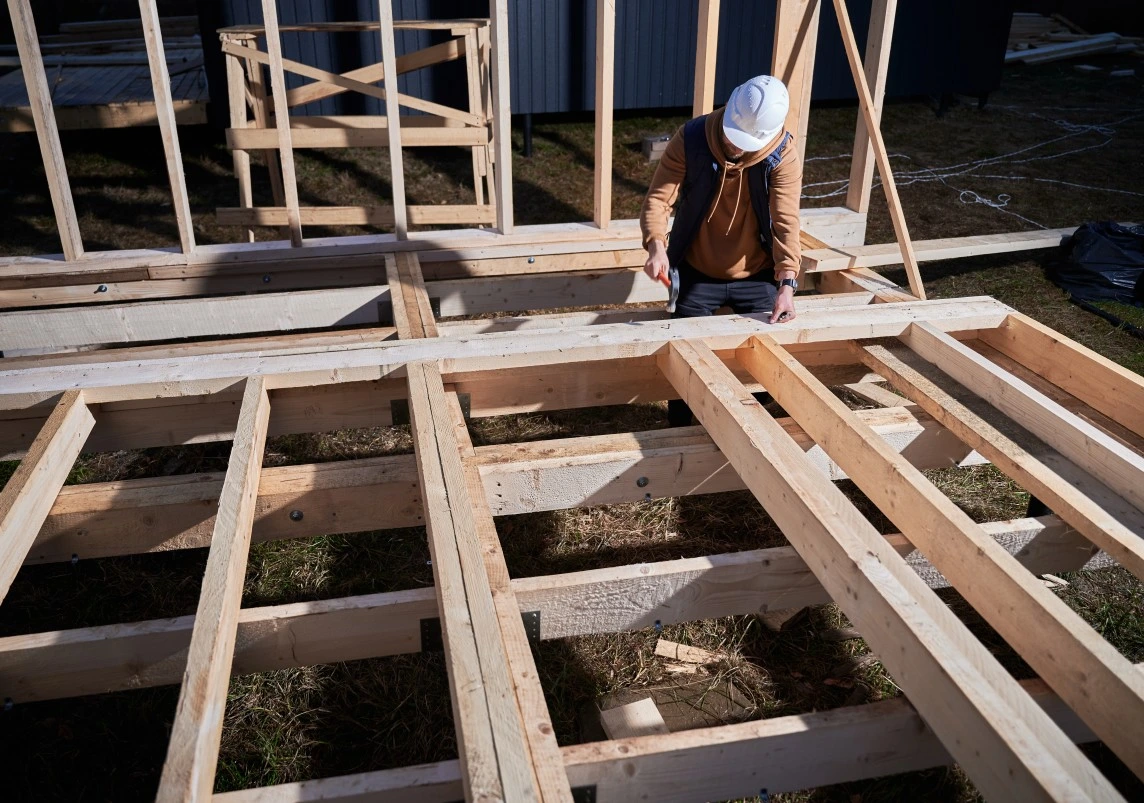
An accessory dwelling unit or Additional House, is a secondary residential unit that shares a building lot with a larger, primary home. You might hear them called granny flats, in-law suites, backyard cottages, or secondary dwelling units. Regardless of the name, these structures provide additional, independent living space.
To officially qualify as an ADU, the space must be self-contained. It generally needs its own private entrance, a living area, a full bathroom, and a dedicated kitchen. Because they sit on the same legal lot as your main house, accessory dwelling units cannot be bought or sold separately from the primary home.
While they share your land, these units offer complete privacy for the occupants. They often use the water and energy connections of the primary house, making them more efficient to operate than entirely separate properties.
Types of Accessory Dwelling Units Connecticut Homeowners Love
ADUs come in several different forms. The best choice for your property depends on your lot size, your budget, and your local zoning regulations. Here are the three main types of accessory dwelling units Connecticut residents typically build:
Detached ADUs
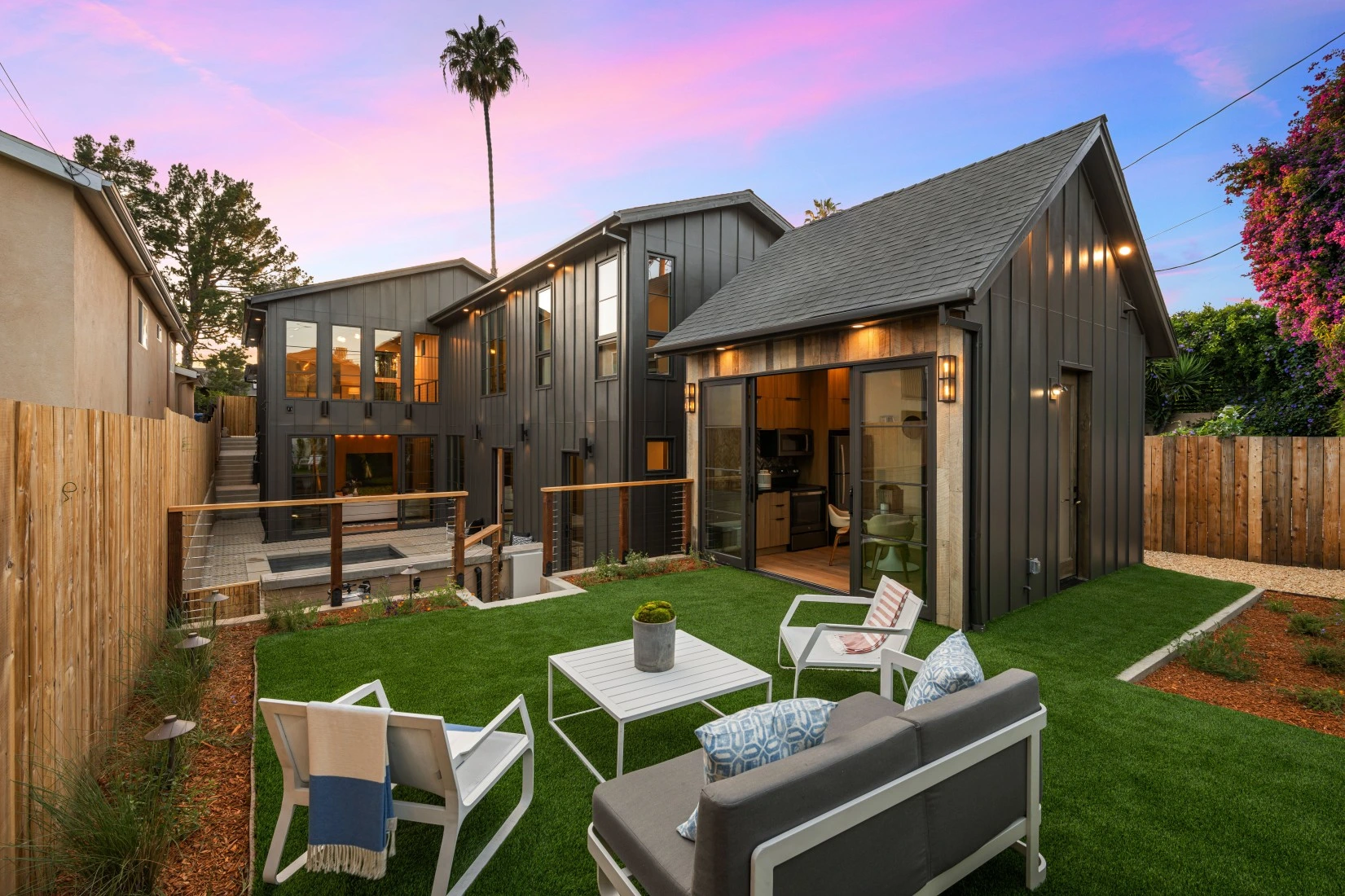
A detached unit is a completely stand-alone structure built in your backyard. Think of a small guest cottage or a carriage house. These offer the highest level of privacy, making them ideal for long-term renters or adult children who want their own independent space.
Attached ADUs
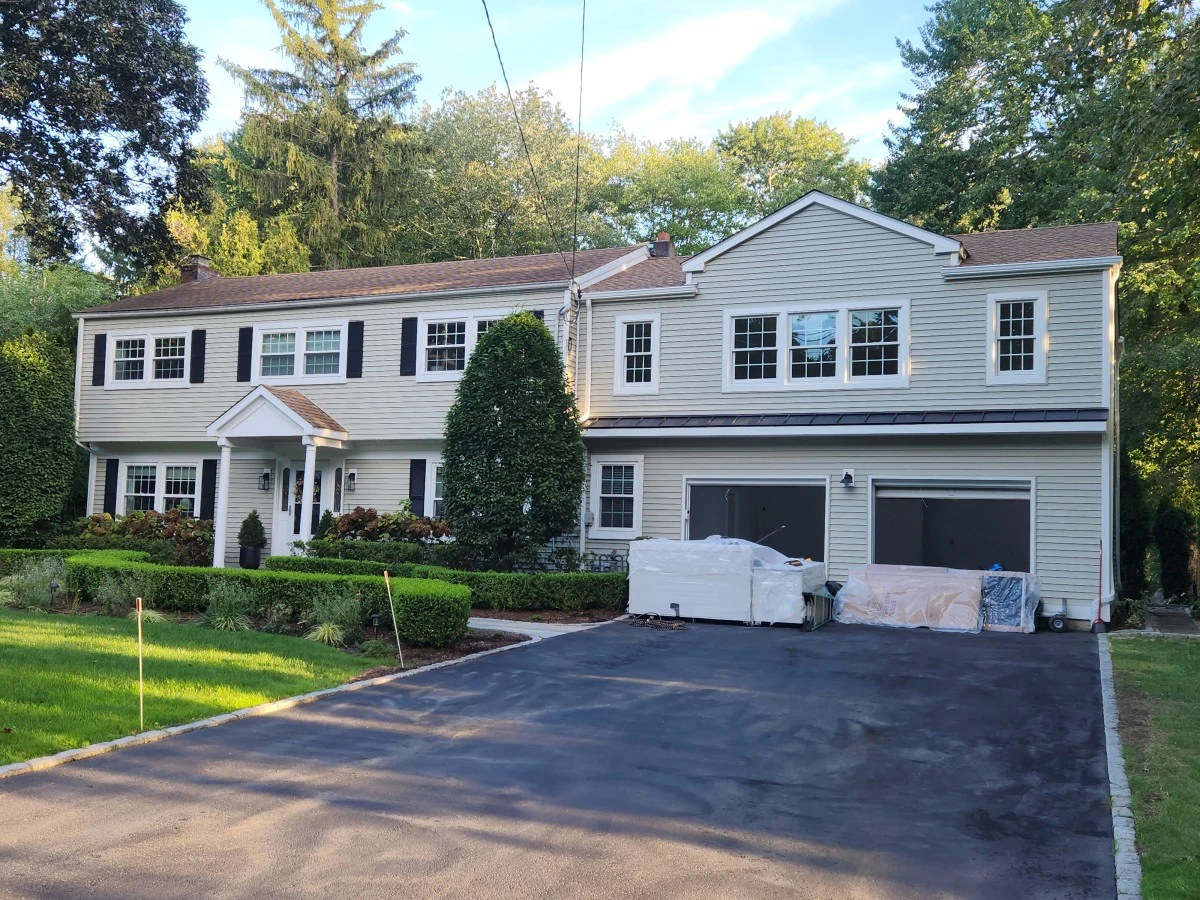
An attached unit connects directly to your primary residence. This is essentially a home addition, but with its own separate entrance, kitchen, and bathroom. Attached units are often easier to tie into your existing plumbing and electrical systems, which can sometimes reduce construction costs.
Interior ADUs
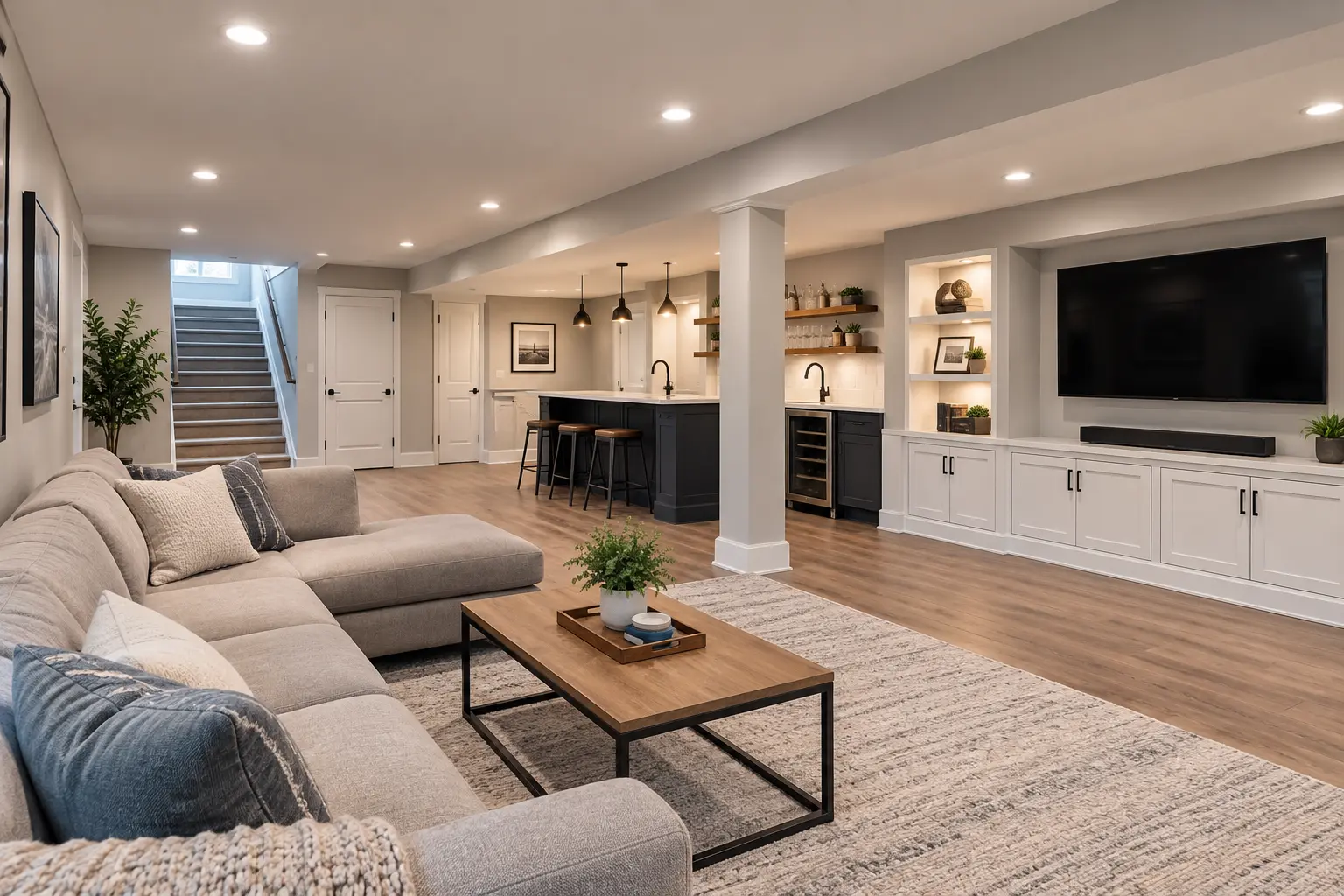
Interior units are created by converting existing space within your main house. The most common examples are basement apartments, finished attics, or living quarters built above an attached garage. Because the structural shell already exists, these conversions can be a highly cost-effective way to add a secondary dwelling.
The Pros and Cons: Is an ADU Right for You?
Before you break ground, you need to weigh the advantages against the potential drawbacks. Building an ADU is a fantastic investment for many, but it requires a solid commitment of time and resources.
The Benefits of Adding Space
- Generate Rental Income: One of the most popular reasons to build an ADU is to create semi-passive income. By renting out the unit, you can offset your mortgage payments or generate extra cash flow every month.
- House Family Members: ADUs provide the perfect balance of proximity and privacy. You can keep aging parents close by so you can help with their care, or provide a launchpad for adult children moving back home after college.
- Increase Property Value: Adding legal, permitted square footage to your property almost always increases its market value. Future buyers often view an ADU as a major selling point.
- Versatile Usage: If you do not want to use the space as a full-time residence, you can use it as a quiet home office, an art studio, or a comfortable suite for visiting guests.
Important Considerations
- Loss of Yard Space: A detached ADU takes up physical space in your backyard. You need to decide if you are willing to sacrifice part of your lawn, garden, or patio area.
- Upfront Costs: Building a secondary unit requires a significant financial investment. You must pay for design, permitting, materials, and labor.
- Ongoing Maintenance: If you rent out the unit, you become a landlord. This means you are responsible for maintaining the structure, fixing appliances, and managing tenants.
- Increased Expenses: Adding a secondary dwelling will likely increase your property taxes. Your monthly utility bills will also go up as the unit consumes electricity and water.
Financing Your ADU Project
How you pay for your new unit depends on your personal financial situation. Because an ADU adds significant value to your property, many homeowners choose to leverage the equity they already have in their main house.
Common financing options include taking out a home equity line of credit (HELOC), securing a home equity loan, or doing a cash-out refinance. Some homeowners also use dedicated construction or renovation loans. While personal loans are available, they typically come with higher interest rates than mortgages.
We always recommend speaking with a financial advisor or your local bank to determine the most cost-effective way to fund your project.
Trust Area Renovation for Your Build
Designing and building a secondary dwelling unit involves many moving parts. You need an experienced team to handle the heavy lifting. At Area Renovation, we specialize in the kind of high-quality ADU construction Fairfield County homeowners expect.
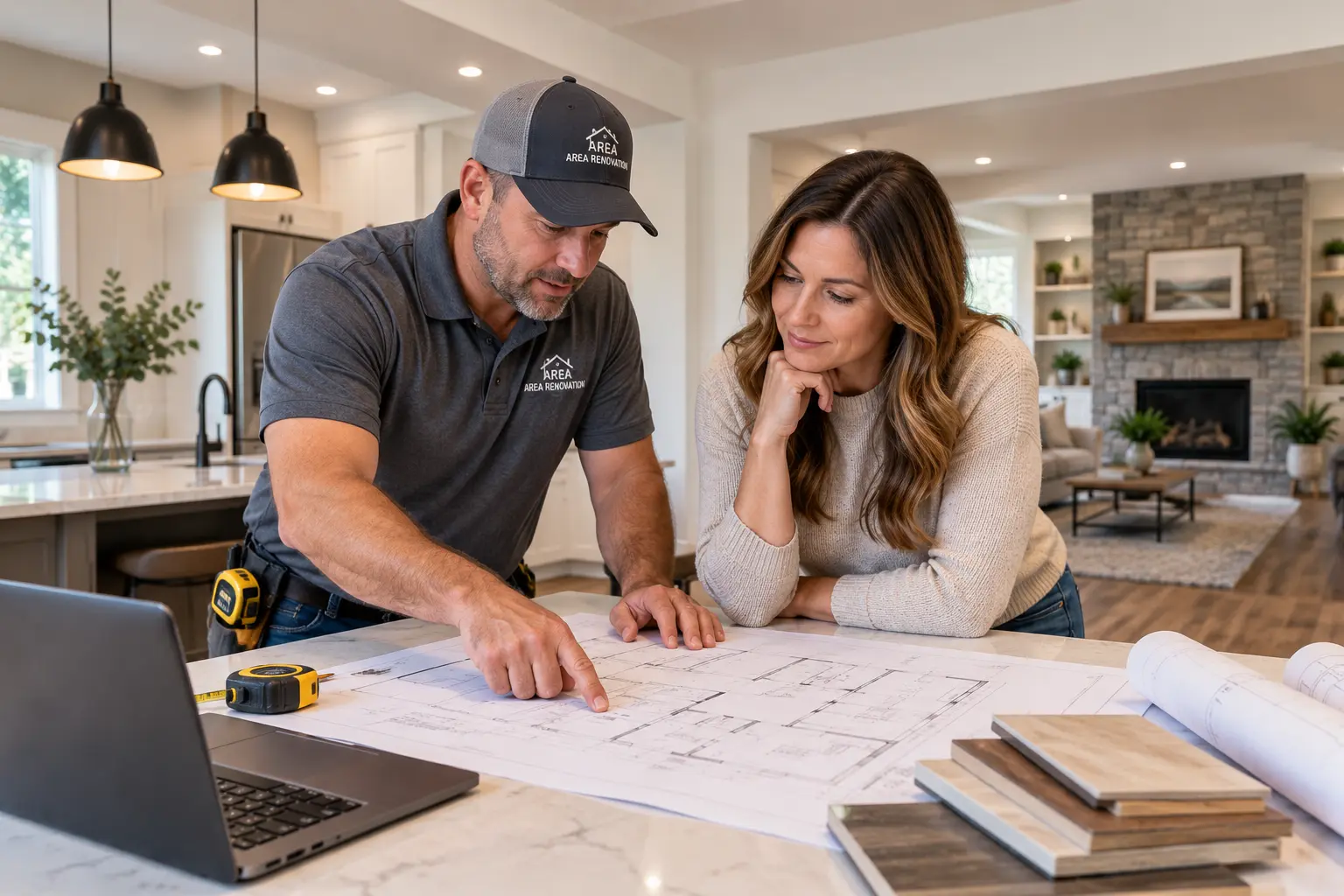
We understand the local zoning laws, building codes, and permit requirements that dictate how and where you can build. Our team manages the entire process from the initial design concept all the way through the final inspection. We pride ourselves on clear communication, superior craftsmanship, and delivering projects on time and within budget. When you partner with us, you get peace of mind knowing your property is in expert hands.
Frequently Asked Questions About ADUs in Connecticut
Homeowners across Connecticut — especially in Fairfield County — often have similar questions when considering building an accessory dwelling unit (ADU). Below are the most common questions we receive from local property owners.
How much does it cost to build an ADU in Connecticut?
In Connecticut, the average cost to build an ADU typically ranges between $150,000 and $300,000, depending on the size, site conditions, utility connections, and level of customization. Interior conversions (such as basement ADUs) generally cost less than fully detached backyard units, which require new foundations, utility trenching, and exterior construction.
Factors such as septic upgrades, architectural plans, energy efficiency requirements, and finish selections will also affect the final price. For a more detailed breakdown, see our guide on ADU Cost in Connecticut.
Do I need zoning approval to build an ADU in Fairfield County?
Yes. While Connecticut state law allows ADUs in many residential zones, each municipality — including towns throughout Fairfield County — has its own zoning regulations that govern setbacks, lot coverage, parking requirements, and maximum square footage.
Before construction begins, your project must comply with local zoning codes and receive proper permits. Our team handles the entire zoning and permitting process to ensure your ADU meets all Connecticut and local town requirements. You can learn more in our guide to ADU Zoning Laws in Connecticut.
Can I build an ADU on my property in Connecticut?
In most cases, yes. Connecticut encourages the development of accessory dwelling units to increase housing flexibility and multi-generational living options. However, your eligibility depends on your property’s zoning classification, lot size, and existing infrastructure.
A zoning review will determine whether your property qualifies for an attached, interior, or detached ADU. Our team can evaluate your lot and guide you through the next steps before any design or construction begins.
Do I need a separate septic system for an ADU in Connecticut?
Not necessarily. Many ADUs in Connecticut can connect to the existing septic system if it has adequate capacity. However, if the system does not meet current health department standards or cannot support the additional bedroom count, an upgrade or expansion may be required.
In areas of Fairfield County that rely on private septic systems, a septic evaluation is typically part of the permitting process. Proper planning ensures your ADU meets all local health and safety regulations.
Can I rent my ADU short-term in Connecticut?
Short-term rental rules vary by town. Some Connecticut municipalities allow ADUs to be rented, while others restrict or regulate short-term rentals such as Airbnb.
Many homeowners choose to use their ADU for long-term rental income, multi-generational living, or as a private home office. Before planning to rent your ADU, it is important to review your local zoning ordinances and any town-specific rental regulations.
What is the minimum lot size required to build an ADU in Connecticut?
Minimum lot size requirements depend on your town’s zoning code. While Connecticut law supports ADU development, municipalities may impose specific lot size, setback, and building coverage limitations — particularly for detached ADUs.
For example, some Fairfield County towns require larger lots for detached units compared to interior or attached conversions. A professional zoning review will clarify what is allowed on your specific property.
How long does it take to get permits for an ADU in Fairfield County?
In most Fairfield County towns, the ADU permitting process takes approximately 4 to 12 weeks, depending on project complexity and zoning compliance. Projects that meet all local requirements typically move faster, while those requiring variances or septic upgrades may take longer.
Working with an experienced Connecticut ADU contractor can significantly streamline the approval timeline and prevent costly delays.
Does an ADU add value to your home in Connecticut?
In most Connecticut real estate markets, adding a legally permitted ADU increases overall property value. An ADU adds livable square footage and offers flexibility for rental income, guest accommodations, or multi-generational living.
While property taxes may increase due to added square footage, many homeowners find that the long-term value and income potential outweigh the additional annual cost.
Does an ADU require a full kitchen in Connecticut?
Yes. To qualify as a legal accessory dwelling unit in Connecticut, the space must function as an independent living area. This typically means including a kitchen with a sink, cooking appliance, and refrigerator, along with a bathroom and sleeping area.
Local codes may vary slightly by town, but a fully functional kitchen is generally required for the unit to be recognized as a legal ADU rather than a guest suite.
Planning to Build an ADU in Connecticut?
Area Renovation specializes in designing and building fully compliant accessory dwelling units throughout Fairfield County and surrounding Connecticut communities.
If you’re considering adding an ADU to your property, contact us today for a free consultation and zoning review to determine what’s possible on your lot.
Ready to Transform Your Property?
Building an accessory dwelling unit is an exciting opportunity to maximize your property’s potential. Whether you want to bring your family closer together or create a brand-new stream of rental income, an ADU offers unparalleled flexibility.
If you are ready to explore your options, we are here to help. Contact Area Renovation today to schedule a consultation. Let us show you why we are the premier choice for home renovation CT trusts, and let’s start designing the perfect space for your needs.