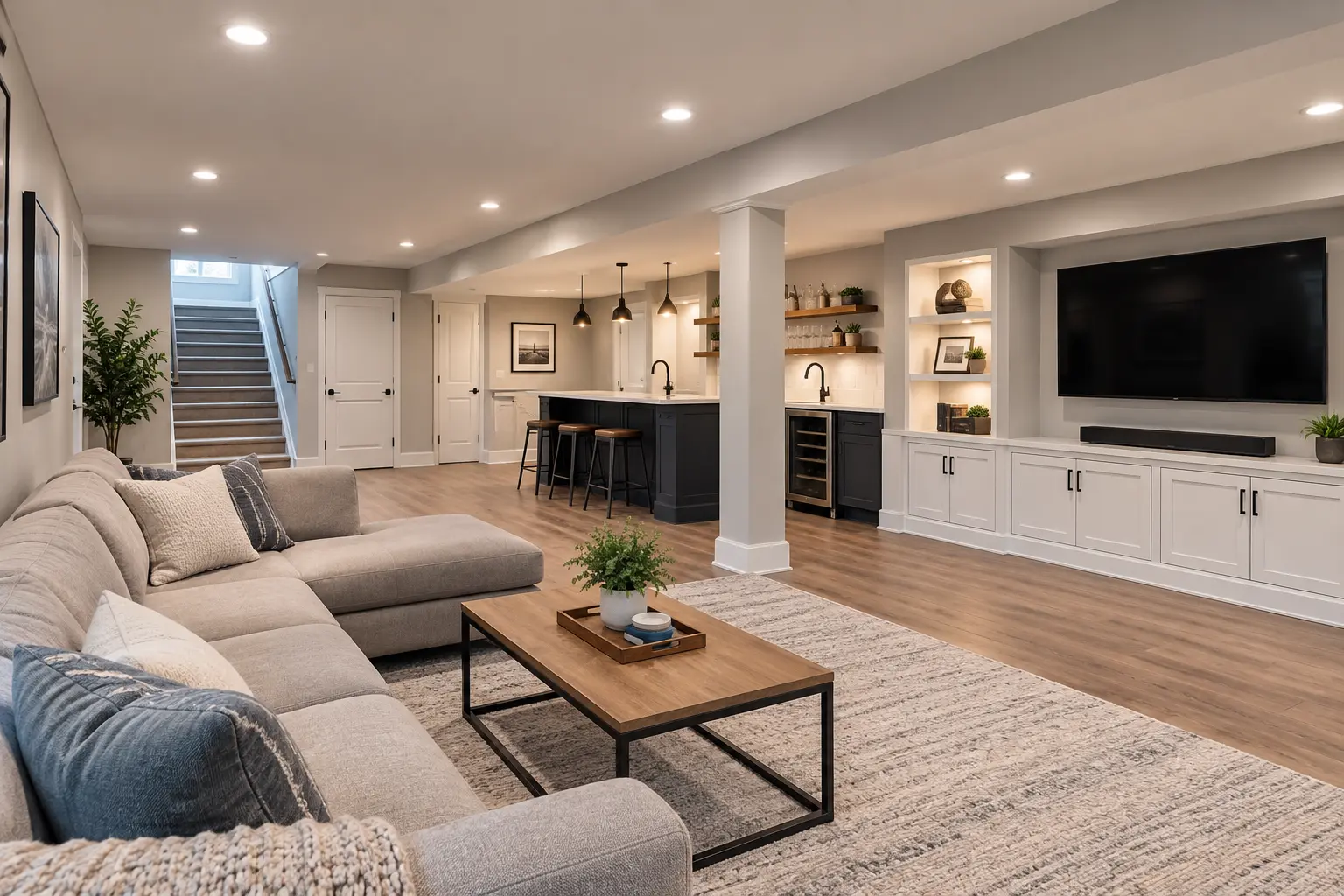
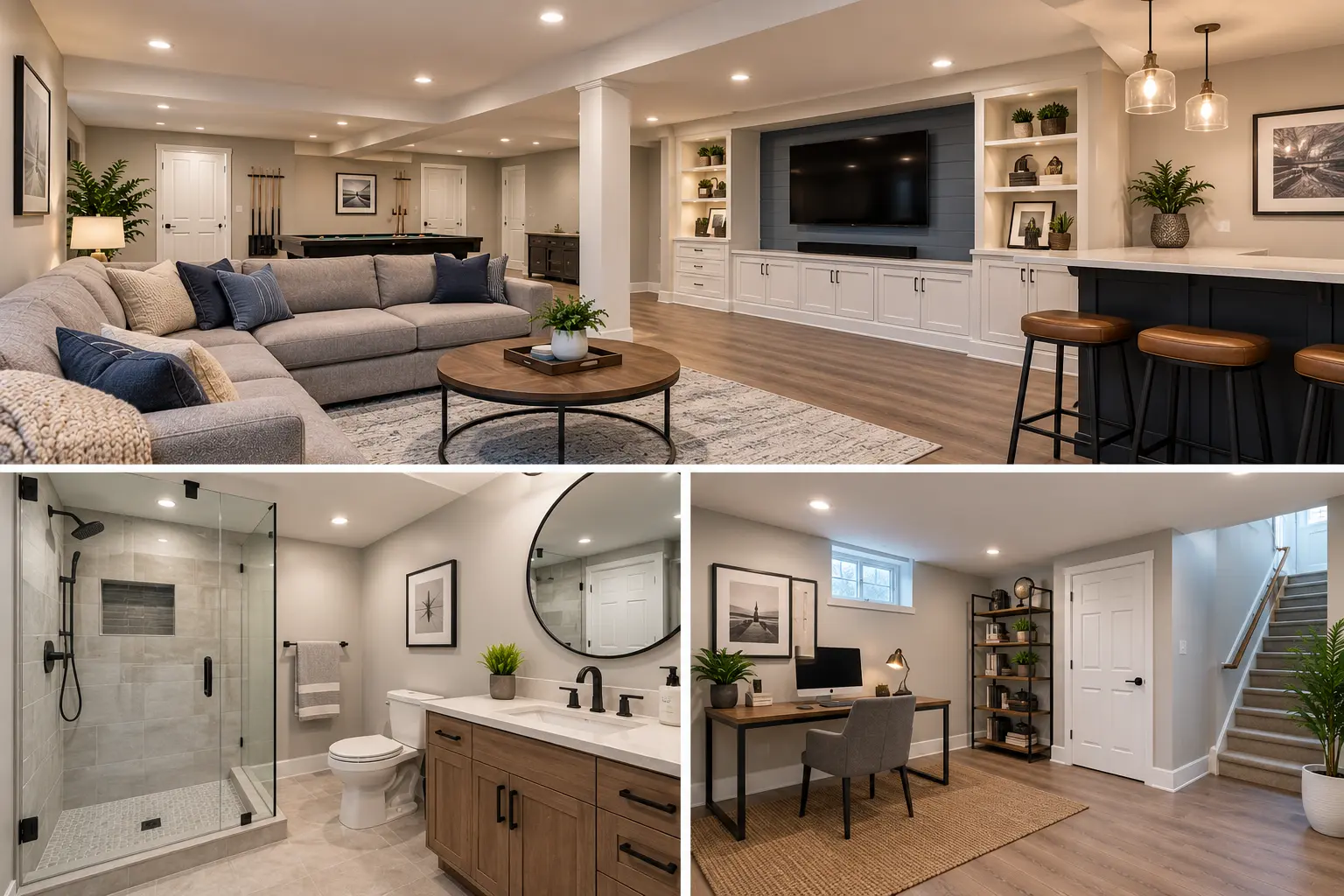
A finished basement can add valuable living space to a Connecticut home without requiring a full addition. It can become a family room, home office, gym, entertainment area, guest space, or even include an additional bathroom.
But before starting the project, most homeowners have one important question: How much does it cost to remodel or finish a basement in Connecticut?
For many Connecticut projects, basement finishing and remodeling can fall roughly between $30 and $75+ per square foot, depending on the existing condition of the basement, the work required, materials, plumbing and electrical needs, and the quality of the finishes. More complex or high-end basement renovations can cost considerably more. Recent Connecticut-specific cost guides show similarly broad ranges because basement projects vary significantly from property to property.
Below, we explain what Connecticut homeowners should consider when planning a basement renovation in 2026.
Average Basement Remodeling Cost in Connecticut
There is no single price that applies to every basement.
As a general planning range:
| Basement Project | Approximate Cost |
|---|---|
| Basic basement finishing | $30–$45 per sq. ft. |
| Mid-range basement remodel | $45–$70 per sq. ft. |
| Higher-end/custom remodel | $70+ per sq. ft. |
| 500–700 sq. ft. basement | Around $15,000–$35,000+ |
| 800–1,000 sq. ft. basement | Around $25,000–$50,000+ |
| 1,000–1,500 sq. ft. basement | Around $35,000–$75,000+ |
These numbers should be used as budgeting estimates rather than fixed prices. Connecticut contractors and cost guides currently report significant variation according to scope, location and finish level.
For example, finishing an open basement with basic flooring, drywall and lighting is very different from converting the same space into several rooms with a bathroom, custom carpentry and upgraded finishes.
What Affects Basement Remodeling Cost?
1. Size of the Basement
Square footage is one of the biggest factors.
A larger basement requires more framing, insulation, drywall, flooring, electrical work and labor. However, the cost per square foot does not always increase proportionally because certain project expenses are fixed regardless of basement size.
2. Current Condition of the Basement
An unfinished, dry basement with good structural conditions can usually be renovated more easily than a basement that already has moisture, damaged walls or outdated systems.
Before installing new finishes, problems such as these may need to be addressed:
- Water or moisture intrusion
- Foundation cracks
- Mold or damaged materials
- Poor drainage
- Old electrical wiring
- Plumbing problems
- Insufficient insulation
Correcting these issues before finishing the basement can increase the initial cost but helps protect the renovation in the long term.
3. Basement Layout
An open recreation room is generally less expensive than creating several separate spaces.
Adding bedrooms, an office, storage rooms, closets or other divided areas means additional framing, drywall, doors, electrical outlets and finishing work.
A good layout should also maintain practical access to utilities such as the electrical panel, HVAC equipment and plumbing systems.
4. Adding a Bathroom
A bathroom can make a finished basement much more practical, particularly if the basement will be used as a guest area or additional living space.
However, bathrooms can significantly affect the budget because they may require:
- New plumbing
- Drainage work
- Electrical work
- Ventilation
- Waterproofing
- Tile installation
- Fixtures and cabinetry
The difficulty of connecting new basement plumbing to the home’s existing system can make a major difference in price.
5. Flooring
Basement flooring needs special consideration because the floor is usually directly above the concrete slab.
Popular options include:
Luxury vinyl plank (LVP): Durable, water-resistant and increasingly popular for Connecticut basements.
Tile: Excellent for moisture resistance and durability.
Engineered flooring: Can provide a warmer residential appearance where appropriate.
Carpet: Comfortable for family rooms and play areas, although moisture conditions should be considered carefully.
The right flooring depends on how you plan to use the basement as well as the condition of the existing slab.
6. Electrical and Lighting
Basements often have limited natural light, so lighting design becomes especially important.
A remodel may include:
- Recessed lighting
- New electrical outlets
- Dedicated circuits
- TV and entertainment wiring
- Office connections
- Smoke and carbon monoxide detectors
- Additional switches and controls
A well-designed lighting plan can make the basement feel much more like a normal part of the house rather than an underground space.
7. Insulation and Comfort
Connecticut winters make insulation particularly important.
A properly finished basement should remain comfortable throughout the year while helping control moisture and energy loss.
Depending on the home and existing construction, the renovation may involve wall insulation, rim-joist insulation and improvements around windows or exterior openings.
8. Custom Carpentry and Finishes
Built-in storage, entertainment units, bars, shelving, trim work and other custom carpentry can transform a basement but will also increase the total project budget.
Homeowners looking for a simple family room will generally spend much less than homeowners creating a fully customized entertainment or guest space.
Area Renovation provides professional carpentry services for homeowners looking to incorporate custom features into renovation projects.
How Much Does It Cost to Finish a 1,000-Square-Foot Basement in Connecticut?
For a typical 1,000-square-foot basement, homeowners might broadly budget approximately $30,000 to $75,000 or more.
A straightforward project with open space and standard finishes may stay closer to the lower end.
A project involving a bathroom, several rooms, upgraded flooring, custom carpentry, extensive electrical work or higher-end materials can move toward or beyond the upper end.
This is why square footage alone isn’t enough to determine the final price.
Basement Finishing vs. Basement Remodeling
Although the terms are often used interchangeably, there is a difference.
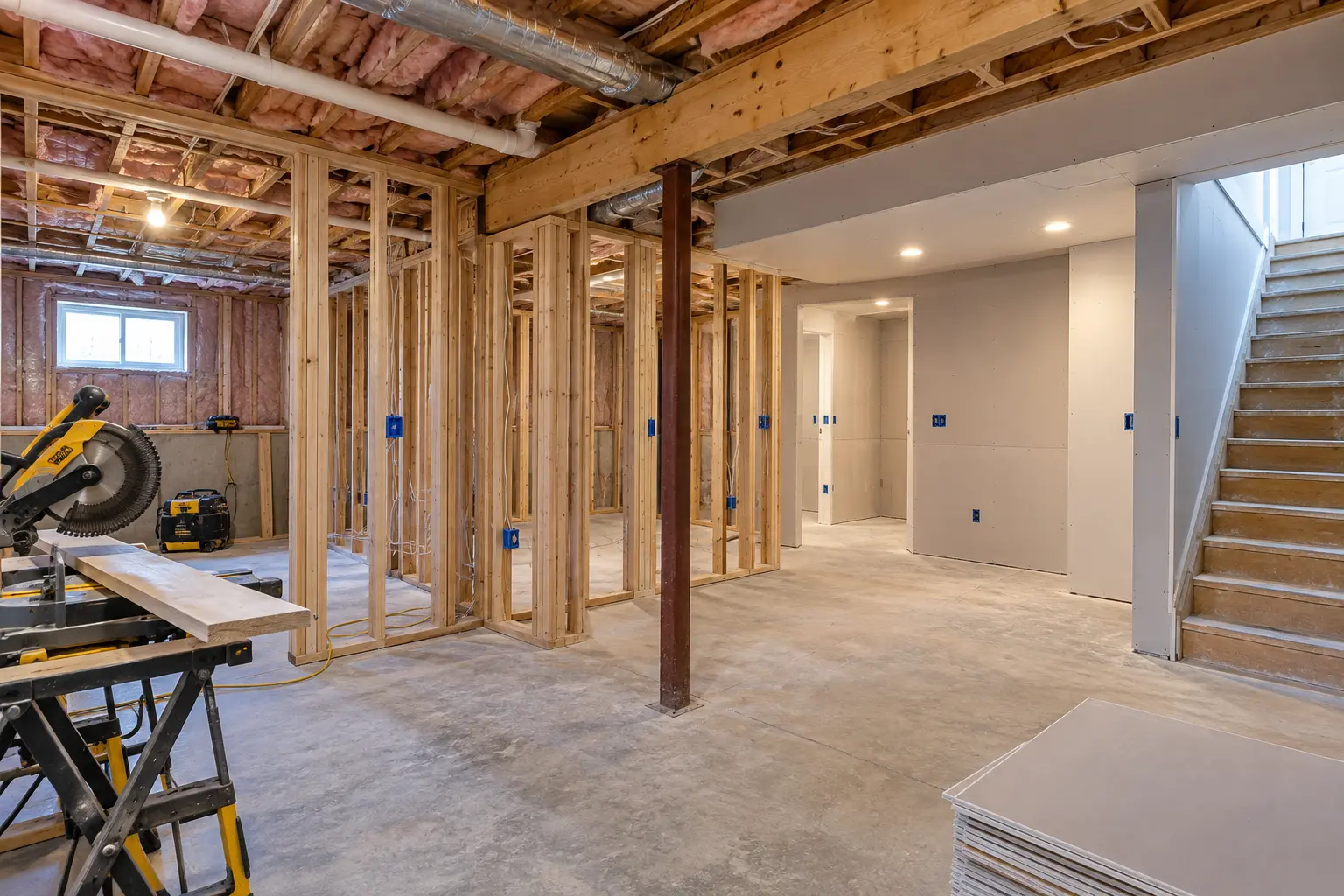
Basement finishing usually means converting an unfinished basement into usable living space.
This may involve:
- Framing
- Insulation
- Drywall
- Flooring
- Lighting
- Painting
- Trim and doors
Basement remodeling usually involves changing or upgrading a basement that is already partially or fully finished.
A remodel could include changing the layout, replacing old finishes, adding a bathroom, improving storage or completely redesigning the space.
Remodeling an existing basement can sometimes require additional demolition before new construction begins.
Do You Need a Permit to Finish a Basement in Connecticut?
Permit requirements depend on the municipality and the exact work being performed.
Projects involving structural modifications, electrical work, plumbing or significant changes to an existing living area commonly require permits and inspections. Requirements should therefore be confirmed with the local building department before construction starts.
This is particularly important because Connecticut municipalities administer building permits locally rather than every basement project following one simple statewide application process.
A professional contractor familiar with local requirements can help determine which approvals apply to the project.
Basement Remodeling in Stamford and Fairfield County
Construction costs can vary considerably across Connecticut.
For homeowners in areas such as Stamford, Greenwich, Darien, Westport, Norwalk, New Canaan, Wilton and Fairfield, labor rates, property characteristics and desired finish levels may push projects above broad statewide averages.
Homes in Fairfield County also vary considerably in age and construction style. An older basement may require more preparation before finishing compared with a newer property.
That makes an on-site evaluation particularly important when creating an accurate renovation budget.
Is Finishing a Basement Worth It?
For many homeowners, it can be.
A basement renovation allows you to create additional usable space within the existing footprint of the home.
Instead of changing the exterior structure, homeowners may be able to create:
- A family room
- Home office
- Gym
- Playroom
- Guest room
- Entertainment room
- Additional storage
- Hobby area
If you need substantially more space, it may also be worth comparing basement remodeling with a home addition.
The best option depends on your property, budget and long-term plans.
How Long Does a Basement Remodel Take?
A straightforward basement finishing project may take several weeks, while larger renovations can require considerably longer.
The timeline depends on factors such as:
- Project size
- Permit approvals
- Plumbing and electrical work
- Custom materials
- Bathroom installation
- Structural work
- Inspection schedules
- Changes discovered after construction begins
Planning the layout and material selections before work starts can help keep the project moving efficiently.
How to Plan Your Basement Remodeling Budget
Before requesting estimates, decide how you want the finished space to function.
Ask yourself:
How will we use the basement?
A family room requires a very different budget than a complete guest suite.
Do we need a bathroom?
Plumbing can have a substantial effect on cost.
What problems need to be fixed first?
Water or structural problems should generally be addressed before cosmetic improvements.
Which features matter most?
Prioritize the elements you will actually use rather than adding expensive features simply because they are possible.
What level of finish fits the rest of the home?
The basement should feel connected to the rest of the property without necessarily using the most expensive materials available.
Get a Basement Remodeling Estimate in Connecticut
Every basement is different, which is why online cost averages should only be the starting point.
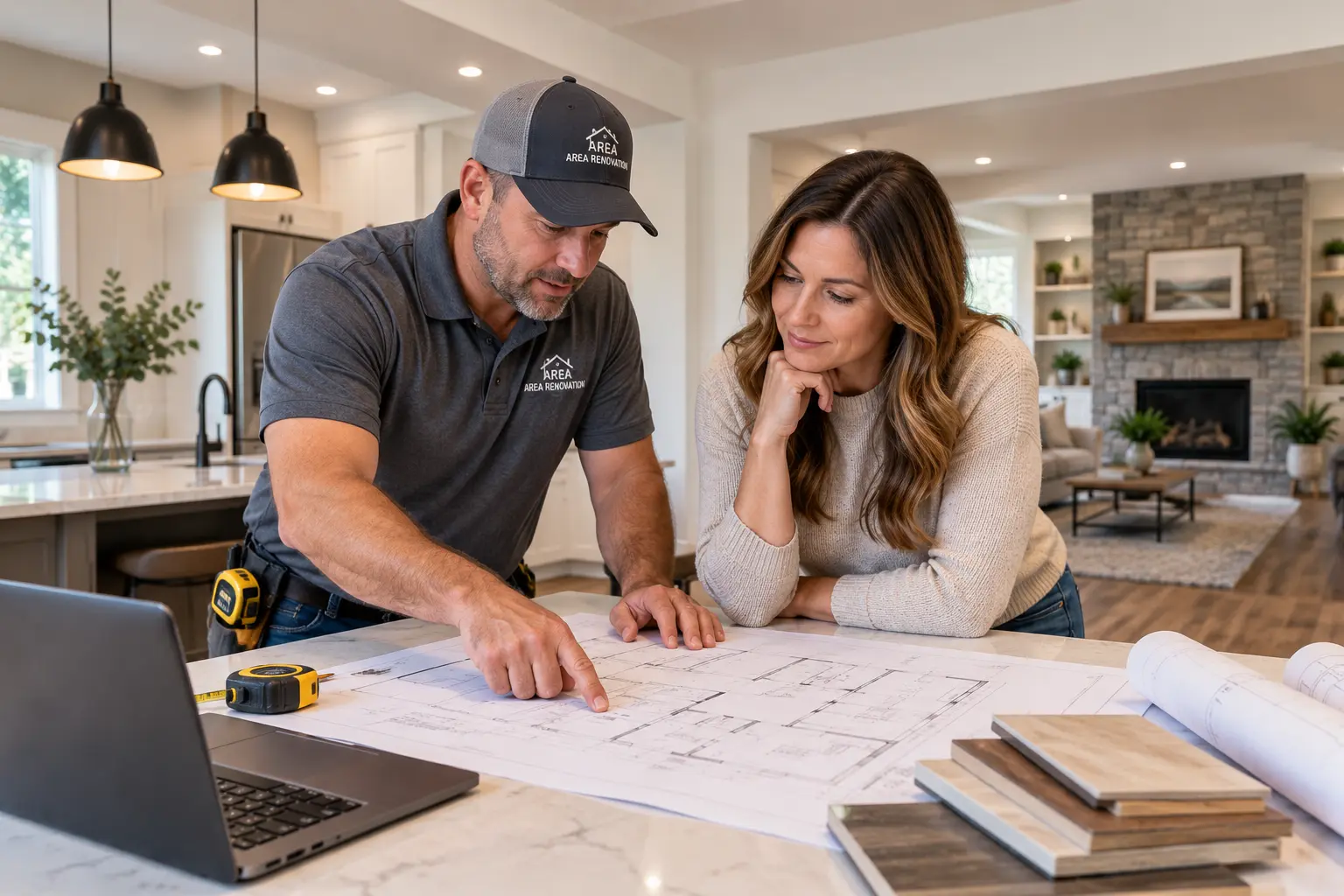
Area Renovation Inc. has more than 18 years of experience providing renovation and construction services throughout Stamford, Fairfield County and surrounding Connecticut and New York communities.
Whether you are considering a simple finished basement, family room, home office or a more complete basement renovation, we can evaluate the existing space and help you determine the appropriate scope and budget.
Planning a basement renovation? Contact Area Renovation to discuss your project and request an estimate.
FAQs
How much does basement remodeling cost in Connecticut?
Many Connecticut basement projects fall somewhere around $30–$75+ per square foot, although the final price depends heavily on existing conditions, layout, bathrooms, electrical and plumbing work, and the level of finish.
How much does it cost to finish a 1,000 sq. ft. basement in CT?
A broad planning range could be approximately $30,000–$75,000+. A basic open-plan basement may cost less than one containing a bathroom, multiple rooms and custom finishes.
What is the most expensive part of finishing a basement?
There isn’t one universal answer. Plumbing, bathrooms, moisture correction, custom carpentry, electrical upgrades and structural changes can all become major cost components depending on the property.
Do I need a permit to finish my basement in Connecticut?
Often, yes, particularly when the project includes electrical, plumbing or structural work. Exact requirements vary by municipality, so homeowners should check with their local building department.
Does a finished basement add value to a home?
A professionally finished basement can improve a home’s usability and may increase its attractiveness to buyers, although the amount of value added depends on the home, location, quality of the renovation and local market.