Accessory Dwelling Units (ADUs) have become increasingly popular throughout Connecticut. Whether you’re looking to create additional living space for family members, generate rental income, or increase your property’s value, an ADU can be an excellent investment.
However, one of the most common questions homeowners ask is:
Can I legally build an ADU in Connecticut?
The answer is often yes, but there are important zoning regulations, permit requirements, and local rules that must be considered before construction begins.
In this guide, we’ll explain everything Connecticut homeowners need to know before building an ADU.

What Is an ADU?
An Accessory Dwelling Unit (ADU) is a secondary residential living space located on the same property as a primary home.
ADUs may be:
- Detached guest houses
- Backyard cottages
- In-law suites
- Garage conversions
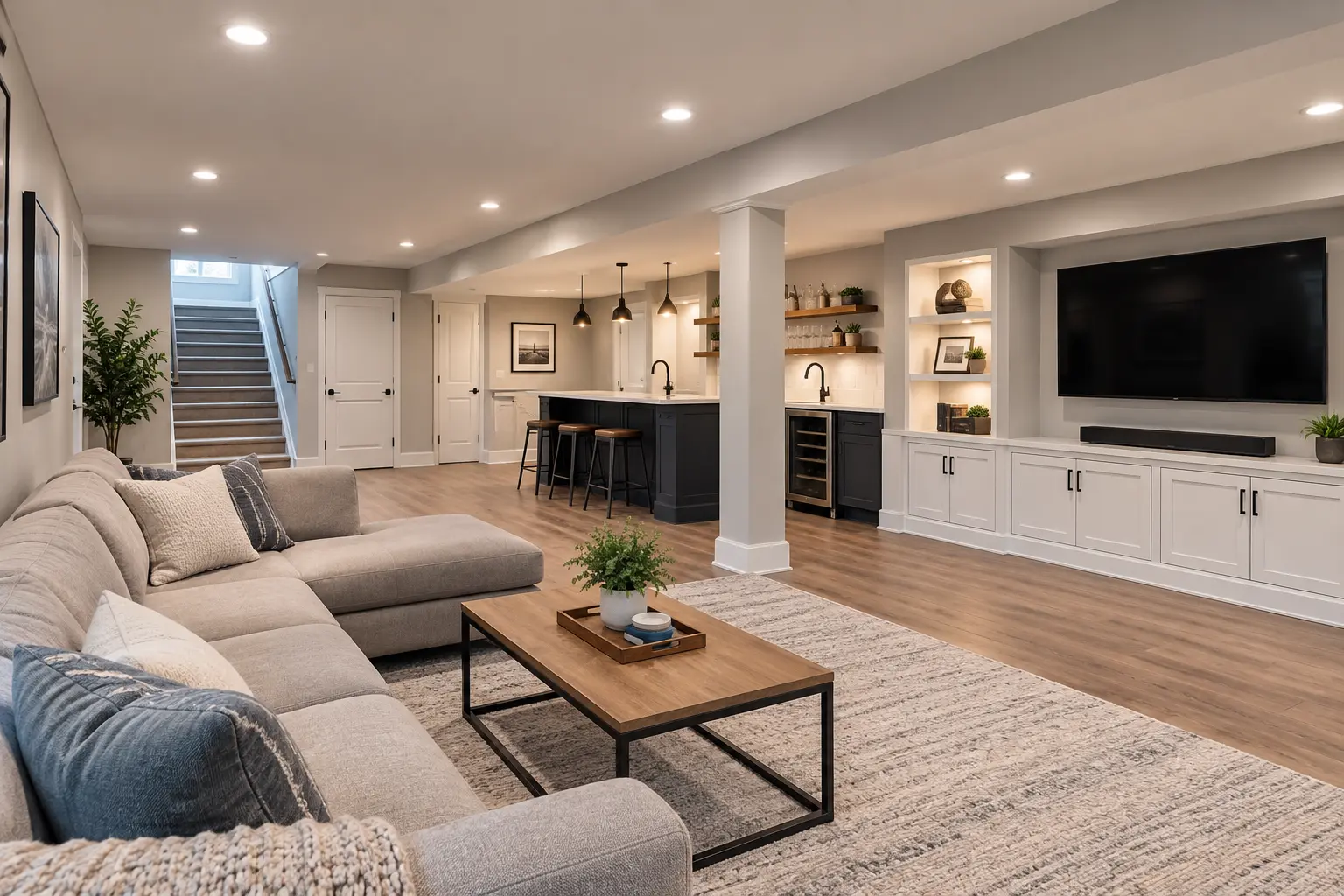
- Basement apartments
- Above-garage apartments
Most ADUs contain:
- A bedroom
- A bathroom
- A kitchen
- Living space
- A separate entrance
ADUs provide flexibility while allowing homeowners to maximize the use of their property.
Are ADUs Legal in Connecticut?
In recent years, Connecticut has expanded opportunities for ADU construction.
Many municipalities now allow ADUs under certain conditions, making it easier for homeowners to add additional living space.
However, regulations vary depending on:
- Town ordinances
- Property size
- Zoning district
- Utility availability
- Parking requirements
Before starting a project, homeowners should verify the specific regulations that apply to their property.
Common ADU Requirements in Connecticut
Although requirements vary by municipality, common factors include:
Minimum Lot Size
Some towns require a minimum property size before an ADU can be approved.
Setback Requirements
The ADU must typically maintain minimum distances from:
- Property lines
- Streets
- Neighboring structures
Parking Requirements
Additional parking spaces may be required depending on the property’s location and local regulations.
Utility Connections
Water, sewer, septic, and electrical systems must often meet local requirements before approval is granted.
Occupancy Rules
Certain municipalities may limit who can occupy an ADU or impose restrictions on short-term rentals.
What Permits Are Required?
Most ADU projects require:
Building Permit
Ensures compliance with construction codes.
Zoning Approval
Confirms that the project meets local zoning requirements.
Electrical Permit
Required for electrical installations.
Plumbing Permit
Required when new plumbing systems are added.
Mechanical Permit
May be necessary for HVAC systems.
Working with an experienced contractor can simplify the permitting process and help avoid costly delays.
How Much Does It Cost to Build an ADU in Connecticut?
The cost depends on several factors:
- Size
- Design
- Site conditions
- Foundation requirements
- Utilities
- Interior finishes
Smaller ADUs generally cost less than larger detached structures.
Projects that require significant site work, utility upgrades, or custom designs may have higher overall costs.
The best way to determine a realistic budget is through a professional site evaluation and project estimate.
Benefits of Building an ADU
Additional Living Space
Perfect for:
- Aging parents
- Adult children
- Long-term guests
Rental Income
Many homeowners use ADUs to generate supplemental income.
Increased Property Value
Additional living space often increases a property’s market appeal.
Greater Flexibility
An ADU can evolve with your family’s changing needs over time.
ADU vs Home Addition
Homeowners often compare ADUs and traditional home additions.
ADU
- Separate living space
- Potential rental income
- Greater privacy
Home Addition
- Connected to existing home
- Lower complexity in some cases
- Ideal for expanding family living space
The right solution depends on your goals, property layout, and budget.
Common Challenges When Building an ADU
Zoning Restrictions
Not every property qualifies for an ADU.
Utility Upgrades
Additional utility requirements can increase project costs.
Permit Delays
Approval timelines vary between municipalities.
Site Constraints
Property shape, setbacks, and topography may affect feasibility.
A thorough planning process helps identify potential issues before construction begins.
How Area Renovation CT Can Help
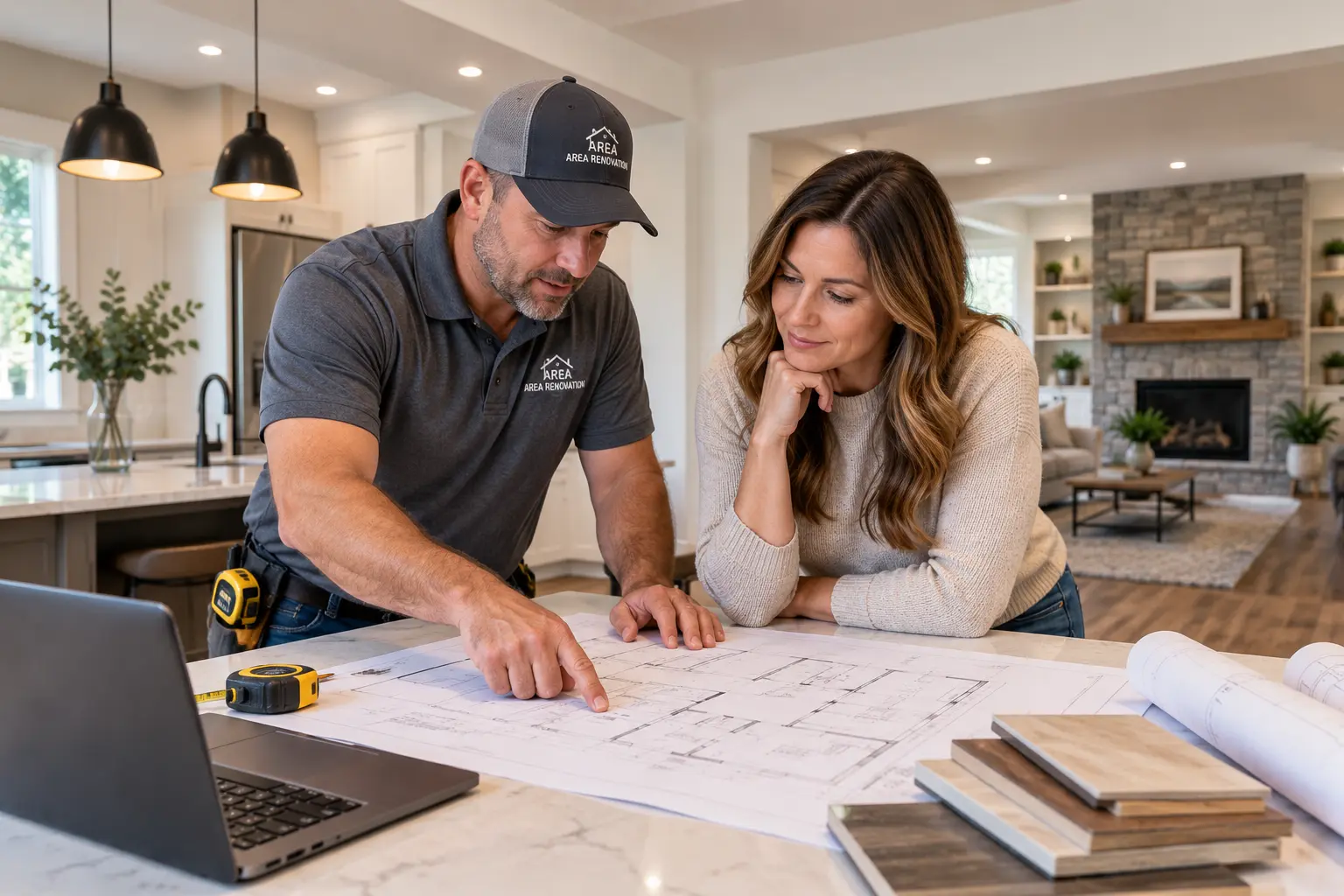
Building an ADU involves more than construction. Successful projects require careful planning, zoning review, permitting, design, and project management.
Area Renovation CT helps homeowners throughout Connecticut navigate every step of the process, from evaluating feasibility to completing construction.
Our team works closely with homeowners to create functional, attractive ADUs that comply with local regulations and fit long-term family needs.
Conclusion
ADUs are becoming one of the most popular ways for Connecticut homeowners to increase living space, support family members, and improve property value.
While regulations vary by municipality, many homeowners can successfully build an ADU with proper planning and professional guidance.
If you’re considering an ADU, guest house, or in-law suite, Area Renovation CT can help you explore your options and determine what is possible on your property.
Contact us today to schedule a consultation.