Building an additional house on your property in Fairfield County can be a great way to expand living space, create rental income, or provide housing for family members. However, before starting construction, homeowners must understand the zoning rules and permit requirements that apply to accessory dwelling units (ADUs) and secondary homes in Connecticut.
Many towns in Fairfield County allow additional residential units on single-family properties, but they must follow local zoning regulations and building codes.
What Is an Accessory Dwelling Unit (ADU)?
An accessory dwelling unit (ADU) is a smaller residential unit built on the same property as a primary home. These units may be:
- Detached guest houses
- Garage apartments
- In-law suites attached to the main house
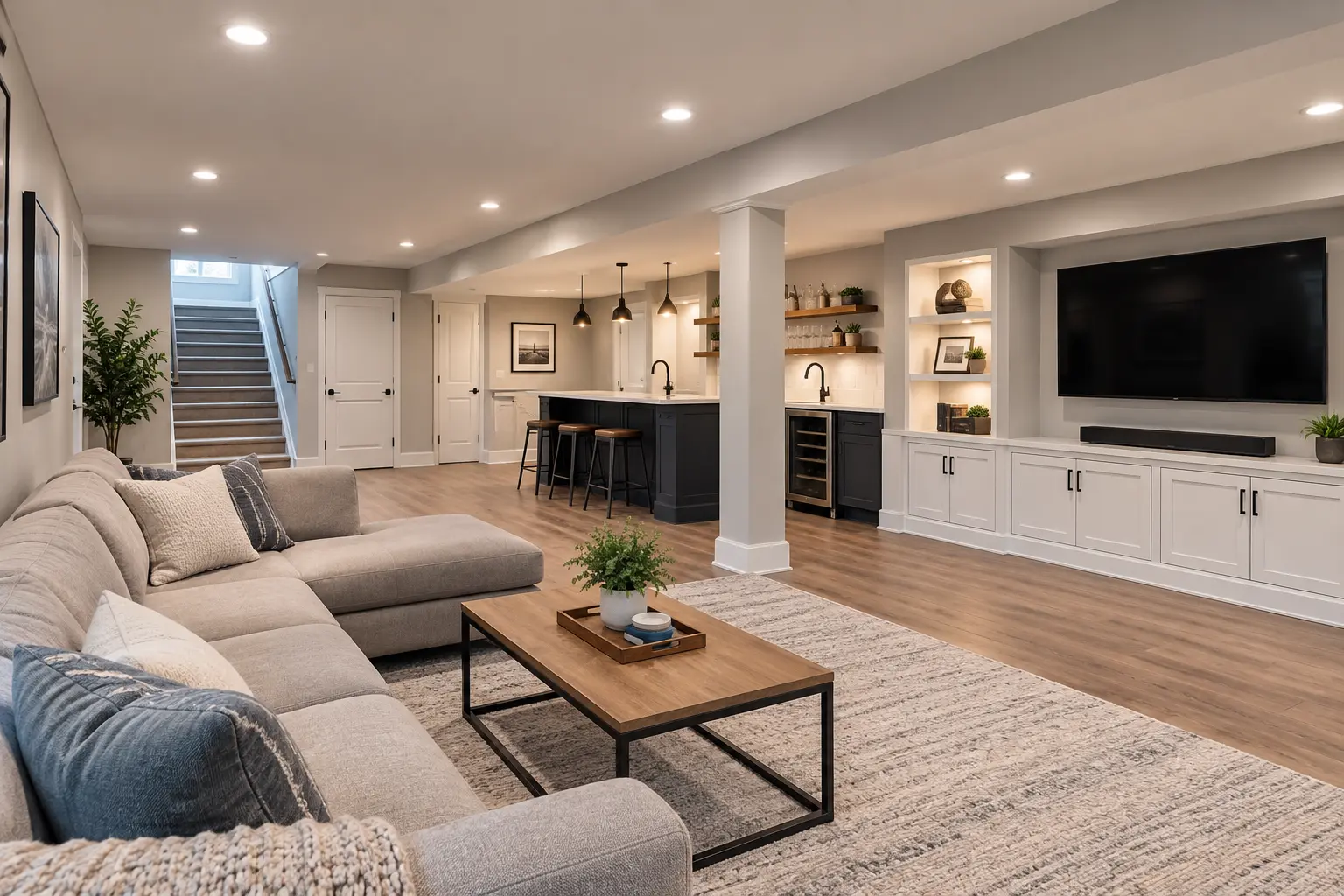
- Basement or attic apartments
ADUs provide independent living spaces with a kitchen, bathroom, and sleeping area while remaining secondary to the main residence.
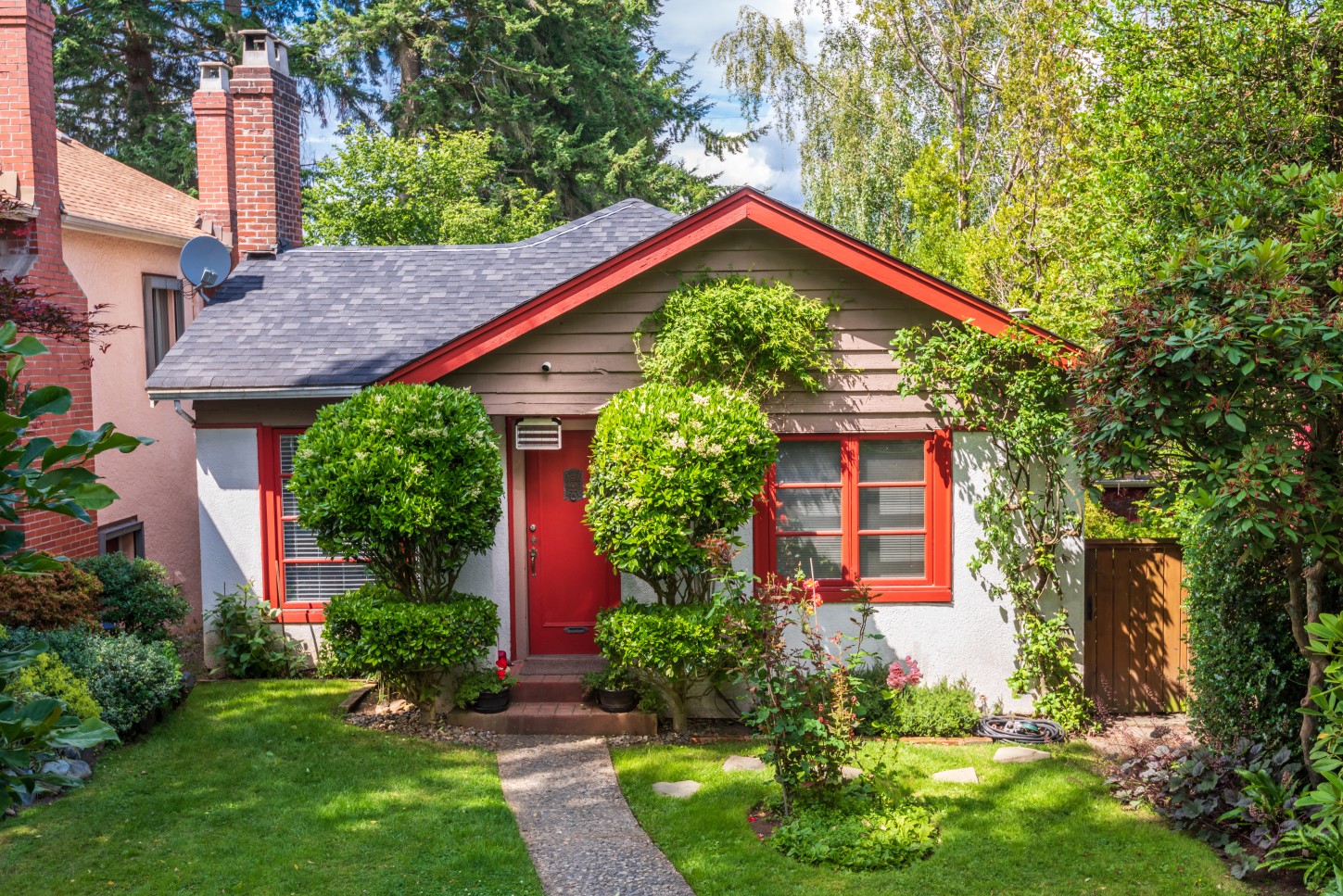
Connecticut Laws for Additional Houses
Connecticut law allows municipalities to regulate accessory dwelling units while requiring that many residential areas permit them under certain conditions. This means homeowners may be able to build an additional residential unit as long as they follow local zoning rules, building codes, and permit requirements.
Requirements often include limits on the size of the unit, parking availability, and property setbacks. Because these rules can vary by town, it is important to verify local regulations before beginning construction.
Typical Requirements in Fairfield County
Although every town has its own zoning rules, many ADU regulations in the region include:
- Owner occupancy in either the main house or the accessory unit
- Only one additional dwelling unit per property
- Additional off-street parking requirements
- Size limits depending on the property and municipality
Working with an experienced contractor who understands local regulations can make the process much easier.
Steps to Build an Additional House
1. Property Evaluation
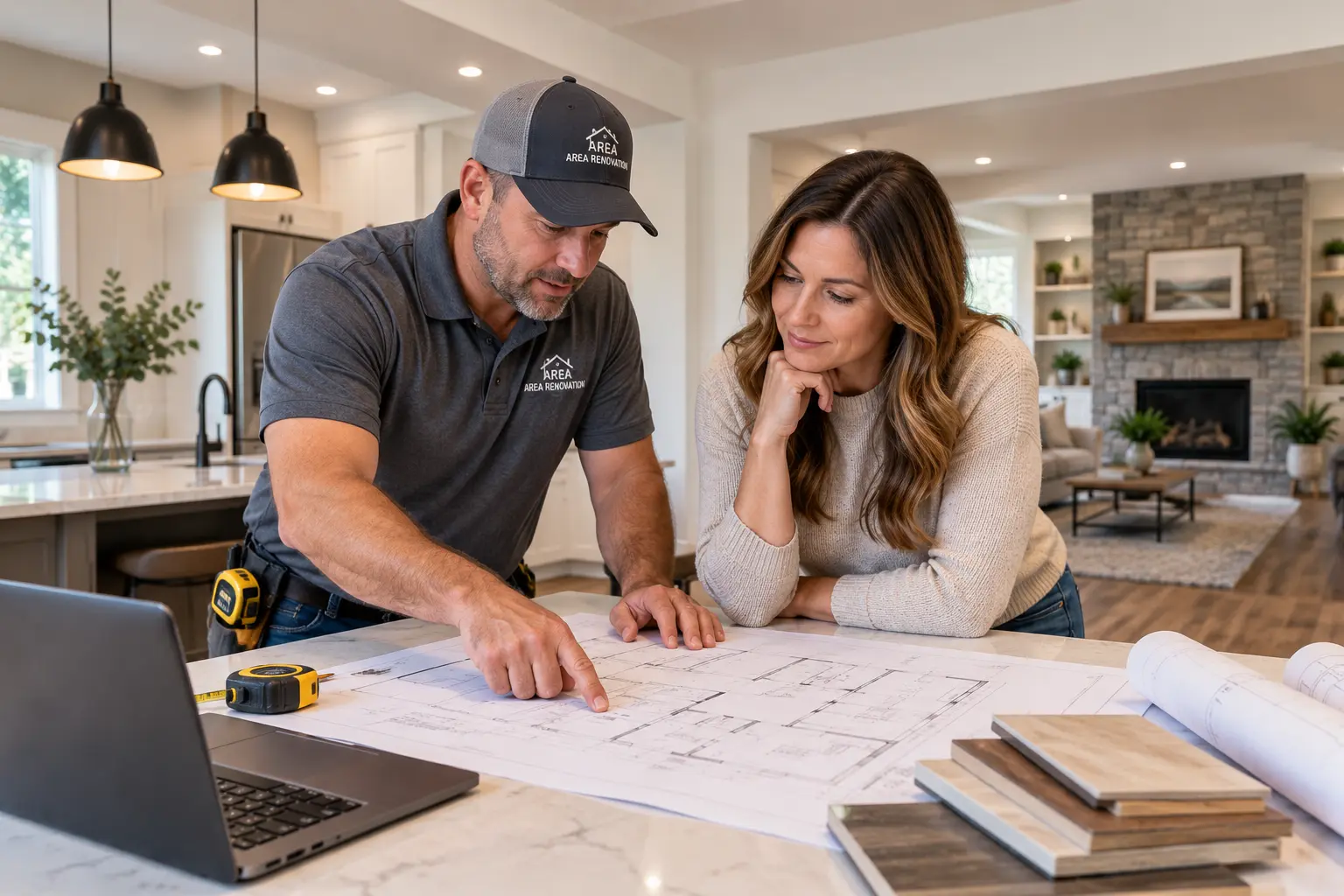
A contractor or architect evaluates your lot size, zoning classification, and setback requirements to determine if an additional home can be built.
2. Design and Planning
The additional house is designed to fit the property while meeting all zoning and building code requirements.
3. Permits and Approvals
Permit applications are submitted to the local building department and zoning authorities.
4. Construction
After approvals are granted, construction begins and continues through final inspections.
Benefits of Building an Additional House
- Rental income opportunities
- Housing for family members
- Increased property value
- Flexible space for guests, offices, or studios
Learn More About Building an Additional House
If you are considering adding a secondary home, guest house, or in-law suite to your property, you can learn more about the process by visiting our detailed guide: